
1 INSIGHT
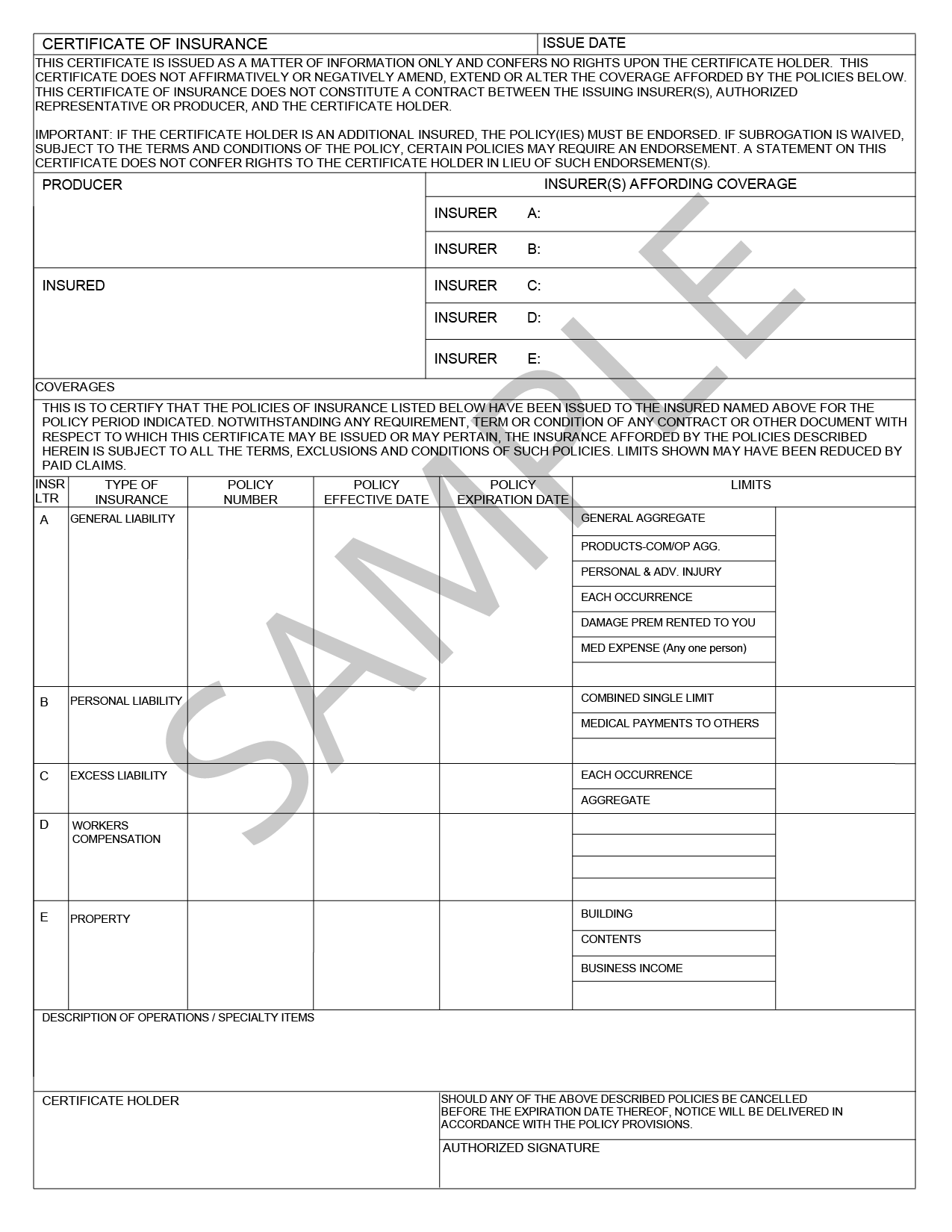
Before moving into an industrial building, tenants must meet the lease’s insurance requirements and provide a valid Certificate of Insurance (COI).
Landlords require specific coverage types and limits, and proof must be provided through a COI before keys are released. Missing endorsements or incorrect language can hold up move-in and even put the tenant in default.
Insurance compliance is a critical step in securing possession of your industrial space.
2 ACTION STEPS FOR TENANTS
- Review Insurance Requirements Early
Confirm required coverage, including:
– Commercial General Liability (CGL)
– Property Insurance
– Workers’ Compensation
– Auto Liability (if applicable)
– Umbrella / Excess Liability
Check coverage limits and required endorsements (e.g., additional insured, waiver of subrogation). - Verify Insurance Provisions With Your Broker & Insurance Agent
Ensure the following:
– The COI lists the landlord and/or property manager correctly (ask the listing agent or landlord which name and address should appear on the COI)
– The COI lncludes required endorsements
– Tenant verifies policy limits per lease liability insurance requirements (e.g., $2,000,000 per occurrence, $4,000,000 aggregate)
– The COI is delivered and approved by Landlord before taking possession of the space
Small wording errors can delay occupancy.
3 KEY TAKEAWAYS
- Insurance compliance is required under most industrial lease agreements.
- A COI must reflect the lease terms precisely.
- Working with your insurance agent in advance reduces the risk of occupancy delays.