
1 INSIGHT
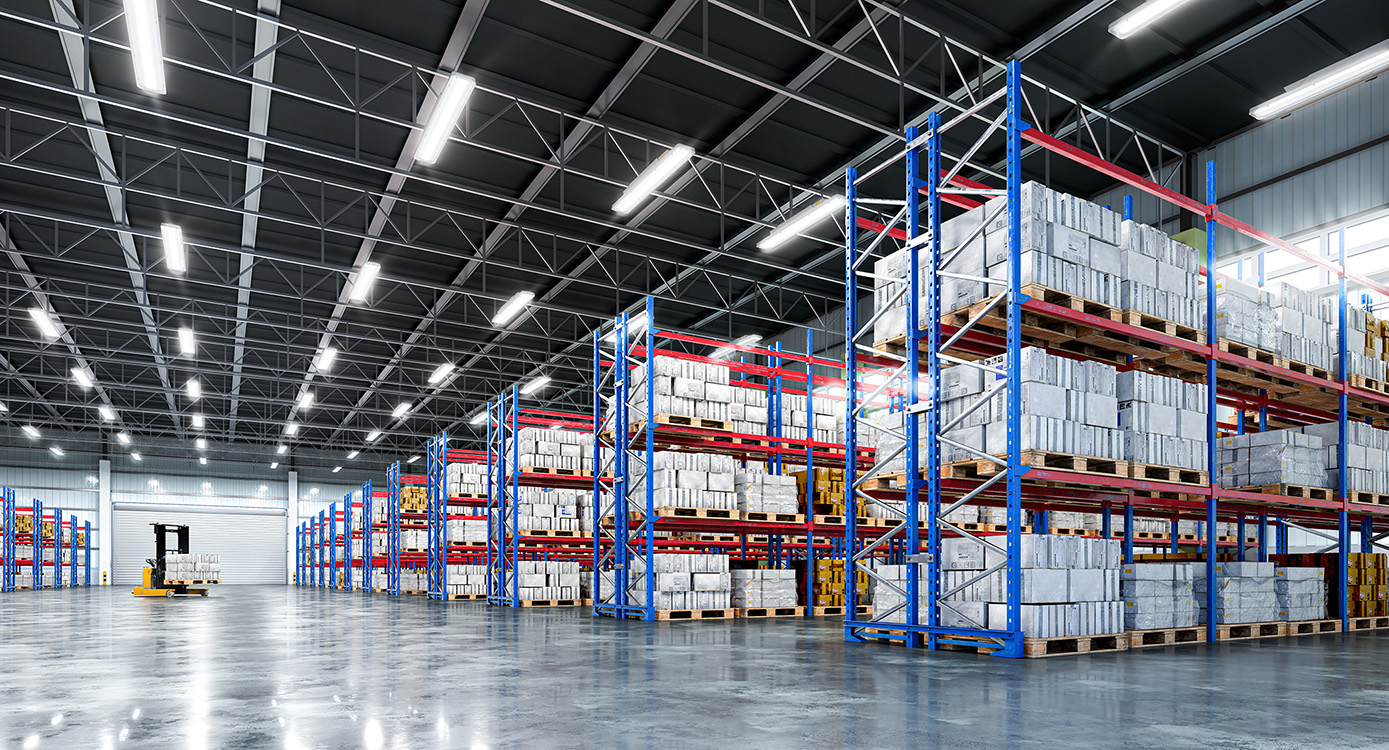
Lighting and energy efficiency are key factors in the daily operations of a large warehouse. Good lighting improves visibility, safety, and productivity, while energy-efficient systems help control utility costs.
Many older warehouses still use outdated lighting that consumes more power and provides uneven coverage. Modern systems like LED lighting offer brighter, more consistent light and can significantly reduce energy usage.
Choosing a warehouse with efficient lighting and energy systems can improve operations and lower long-term operating expenses.
2 ACTION STEPS FOR TENANTS
- Inspect Warehouse Lighting Quality and Coverage
Tenants should confirm the lighting supports daily operations:
– Bright, even lighting across the warehouse floor
– LED lighting instead of older fixtures
– Proper lighting in aisles, loading areas, and dock doors
– Minimal shadows or dark spots that impact visibility
– Lighting levels suitable for racking and picking operations
Good lighting helps improve safety and efficiency for workers and equipment. - Review Energy-Saving Features and Utility Capabilities
Energy-efficient buildings can reduce operating costs over time:
– LED fixtures with lower energy consumption
– Motion sensors or smart lighting controls
– Zoned lighting to reduce unnecessary usage
– Insulation and building envelope efficiency
– Utility costs and energy usage history (if available)
Efficient systems help lower monthly expenses and support sustainable operations.
3 KEY TAKEAWAYS
- Lighting quality directly impacts safety, visibility, and productivity in warehouses.
- Energy-efficient systems help reduce utility costs and improve building performance.
- Modern lighting upgrades can provide both operational and financial benefits.