
1 INSIGHT
R&D summer, uninsulated ceilings allow excessive heat buildup. In winter, warm air escapes rapidly. This forces HVAC systems to work harder, increasing energy expenses and reducing climate stability. For businesses handling products, equipment, light manufacturing, or sensitive materials, inconsistent temperatures can create operational inefficiencies and risk.
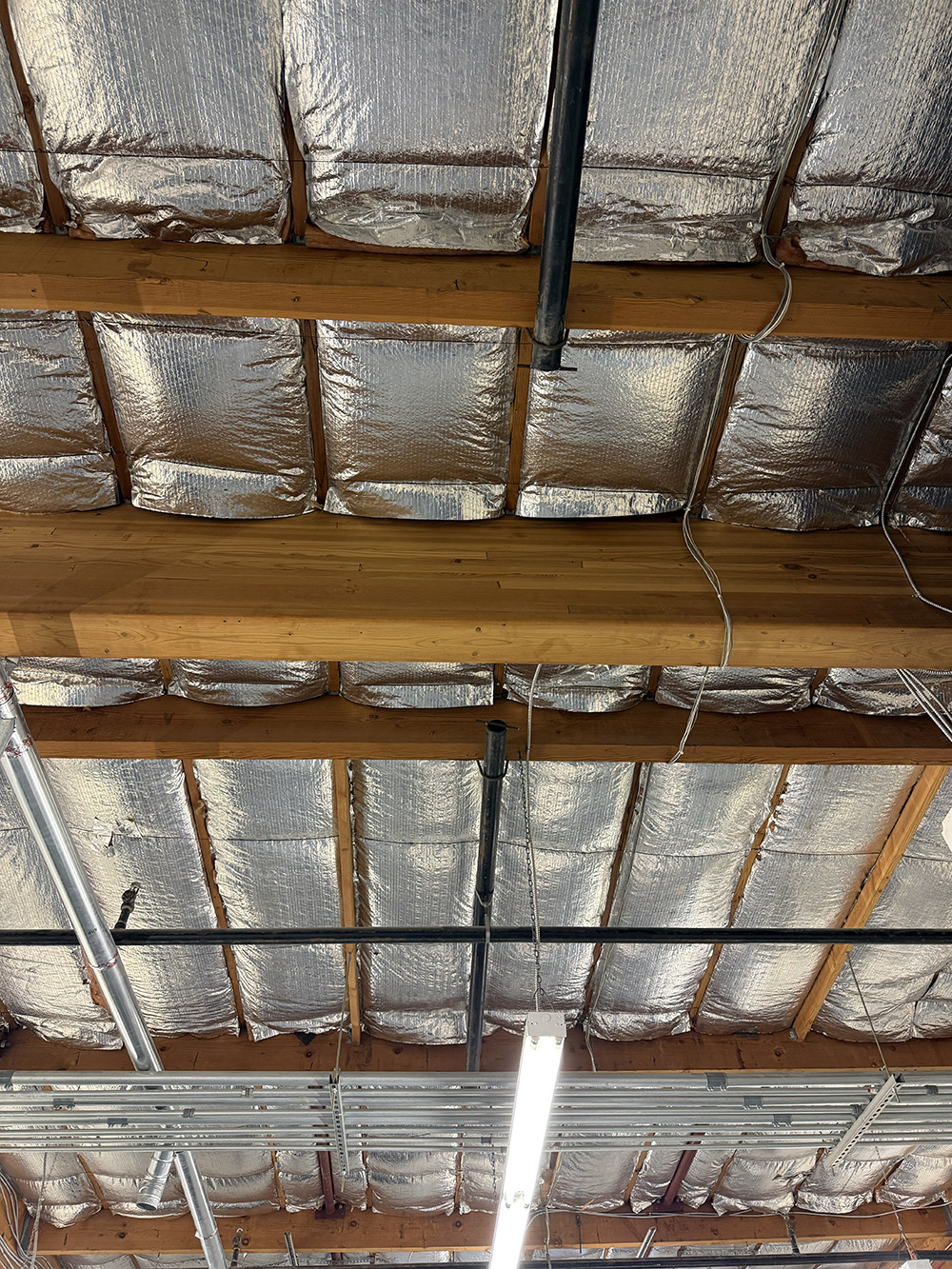
Fully insulated ceilings – often fiberglass in industrial buildings – help regulate internal temperatures and improve overall building performance.
2 ACTION STEPS FOR TENANTS
- A properly insulated ceiling helps keep the warehouse cooler in the summer and warmer in the winter. Without it, heat builds up quickly during hot months and escapes during cold months – leading to higher energy bills and uncomfortable working conditions.
- If insulation is missing, torn, sagging, or water-damaged, address it upfront. Ask the landlord to repair or replace it before occupancy, or negotiate it into your lease terms. It’s much easier – and cheaper – to handle insulation issues before your operations are fully set up.
3 KEY TAKEAWAYS
Lower utility bills – Insulated ceilings help reduce heat in the summer and retain warmth in the winter, lowering energy use.
Better working conditions – A more stable indoor temperature keeps employees more comfortable and productive year-round.
Protection for products and equipment – Consistent temperatures help prevent damage to inventory, machinery, and stored materials.