
1 INSIGHT
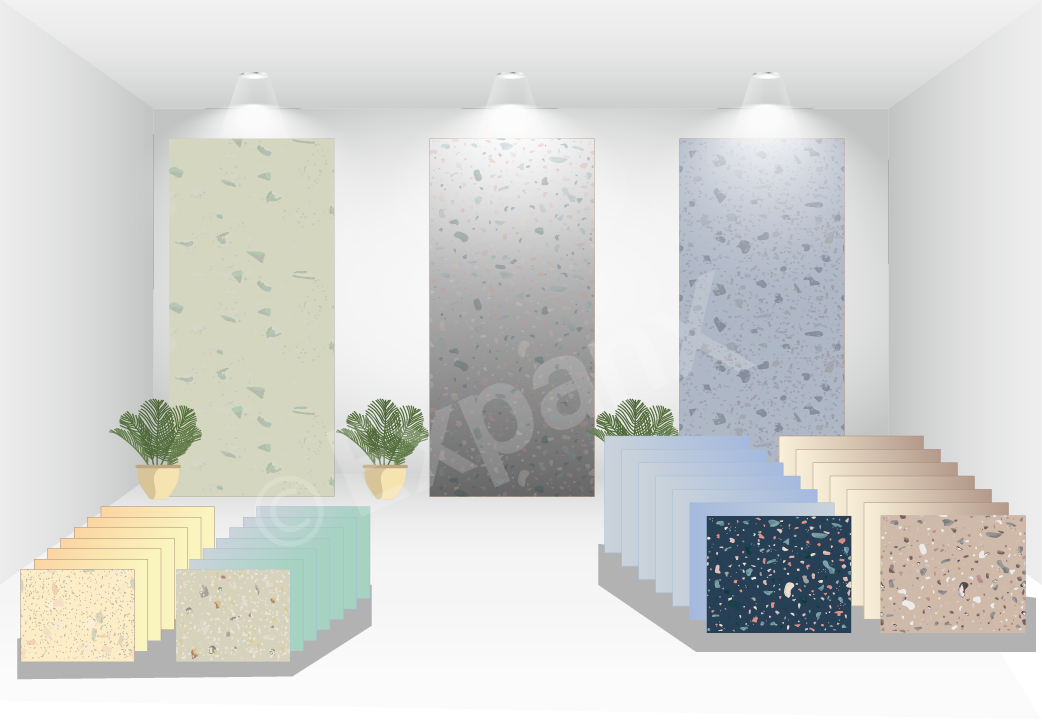
Industrial properties with showroom space allow businesses to combine product display, office, and warehouse operations in one location. This setup is common for wholesalers, e-commerce brands, contractors, and light manufacturers who need both customer-facing space and back-end storage.
However, not all industrial buildings are designed for showroom use. Visibility, parking, zoning, and interior layout all impact whether the space can effectively support both display and warehouse functions.
Choosing the right industrial showroom space requires balancing customer experience with operational efficiency.
2 ACTION STEPS FOR TENANTS
- Evaluate Visibility, Access, and Parking
For showroom use, the property should be accessible and easy for customers to find and visit. Tenants should confirm:
– Street frontage and signage opportunities
– Customer parking availability
– Separate access for customers and trucks
– Proximity to major roads or retail corridors
High visibility and easy access help attract more visitors to your showroom. - Check Layout and Zoning
Industrial showroom space must support both front-end display and back-end operations. Tenants should review:
– Ratio of showroom/office to warehouse space
– Ceiling height and lighting in showroom areas
– Zoning that allows retail or showroom use
– Separation between customer areas and loading zones
– HVAC and finish level for customer-facing areas
An optimized layout ensures both operational efficiency and a smooth customer experience.
3 KEY TAKEAWAYS
- Industrial flex space designed for showroom display, retail exposure, and warehouse use.
- Location, parking, and zoning are key factors for showroom success.
- A well-designed layout improves both customer experience and operational efficiency.